Featured
2026 NorCal Compass Kickoff
Jon Granston | February 13, 2026

Jon Granston | February 13, 2026
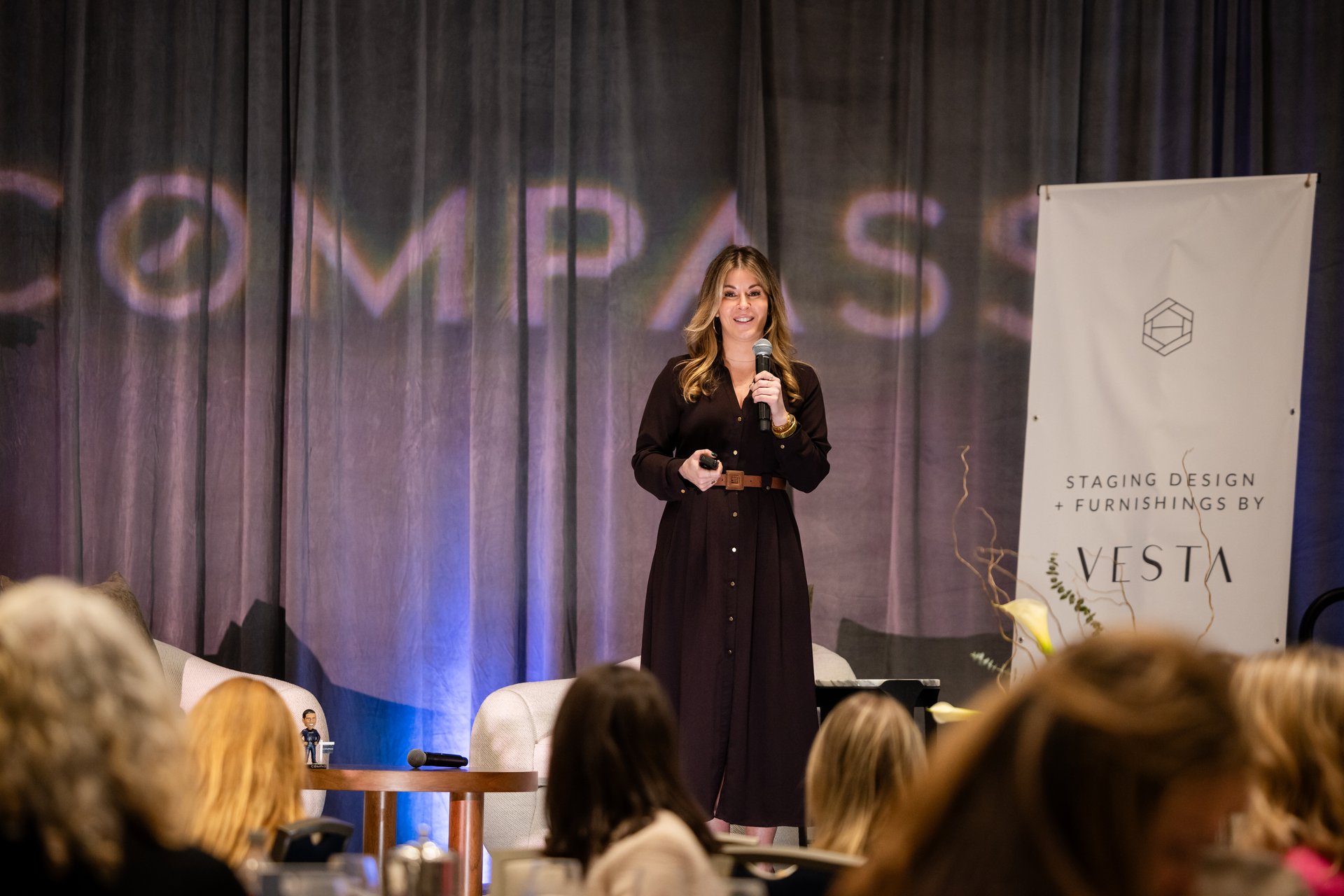
The 2026 NorCal Compass Kickoff overall wasn’t the kind of event where everyone stands on stage telling you how “this is going to be our year” while the room politely nods. It was much more grounded than that. It felt like Compass was saying: the market may or may not cooperate, but your business still has to perform.
And honestly, that’s what I appreciated most. The messaging wasn’t built around waiting for rates to drop or hoping for a return to the frenzy of the past. It was about building a business that works regardless of market conditions.
That’s also why I continue to prioritize these regional and national Compass events. I always leave with a few practical nuggets I can implement immediately, whether it’s around systems, marketing, client communication, or where the industry is headed. Just as important, these events create real opportunities to connect with top agents across the country, which inevitably strengthens relationships and often leads to out-of-area referrals over time.
And if I’m being honest, I also use these trips as an excuse to leverage my network in whatever city I’m visiting to play some great golf. This kickoff was no exception. Through a good friend who owns Perform for Golf in San Francisco, I had the opportunity to play Lake Merced Golf Club, and it was a fantastic way to start the trip.
If there was one theme that showed up in almost every session at the NorCal Kickoff, it was this: the agents who build real systems, leverage the Compass platform, and stay consistent with their marketing and follow-up will outperform in 2026. Not because the market gets easier, but because their process gets better.
Roadshow Panel: The Power of Being Intentional
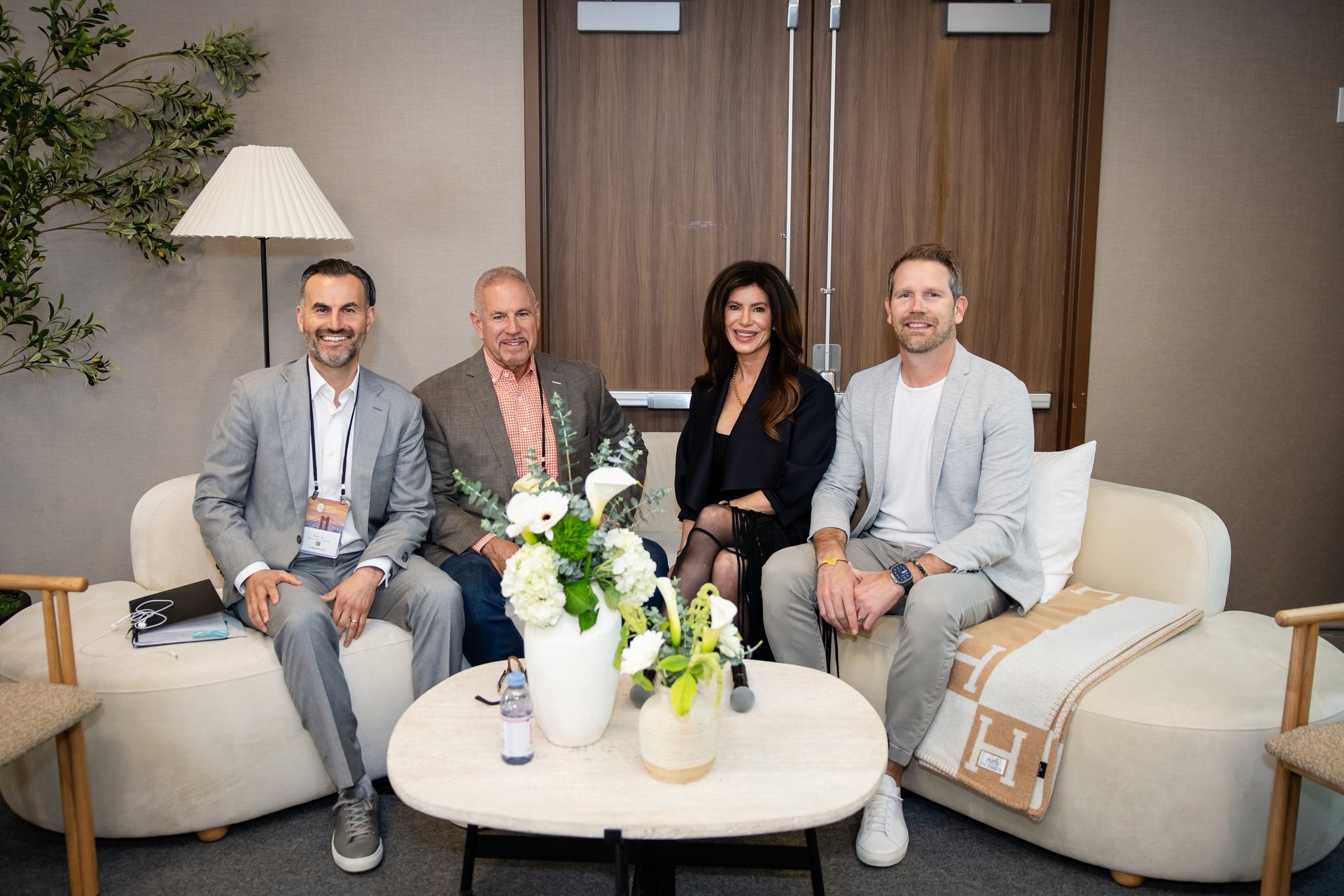
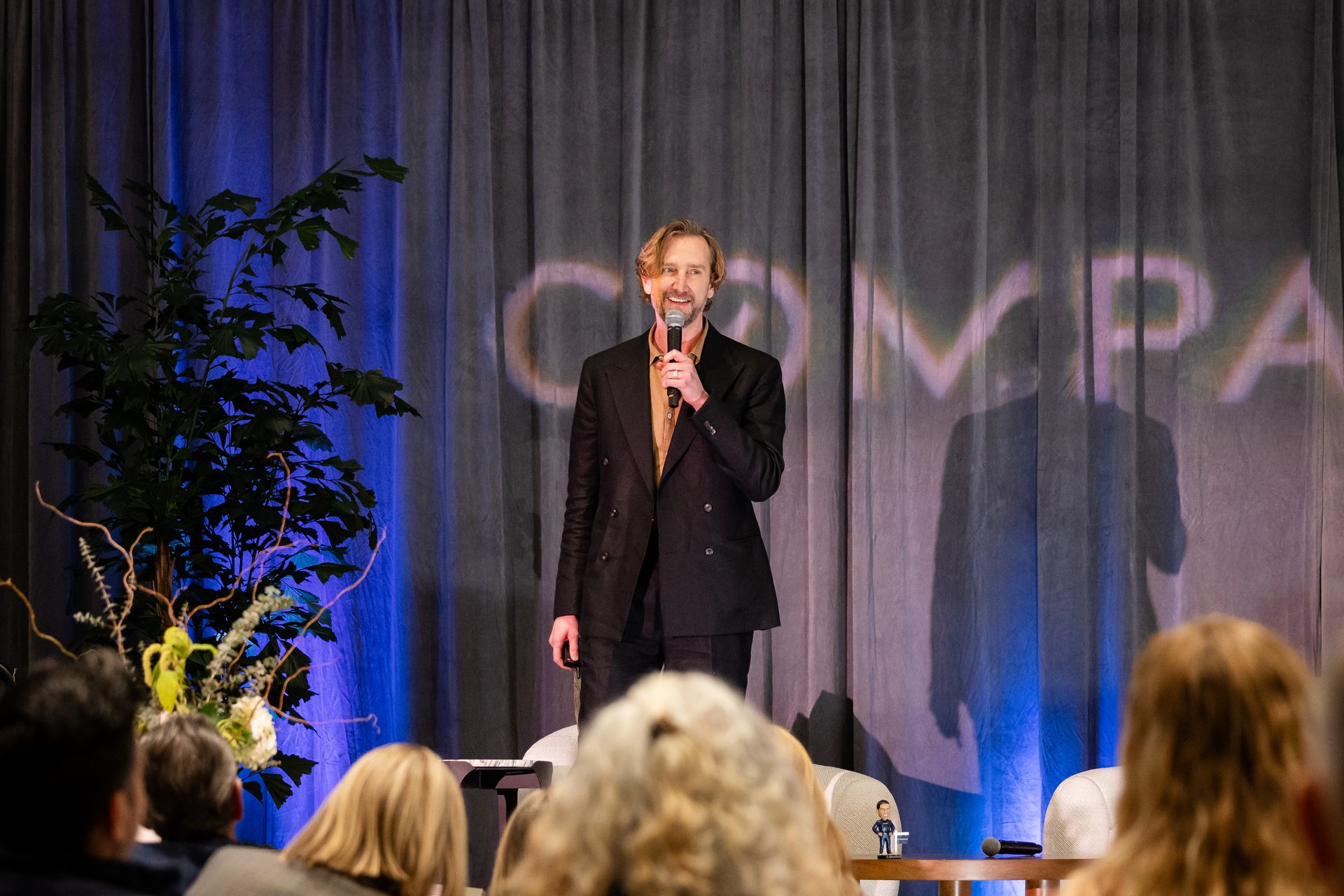
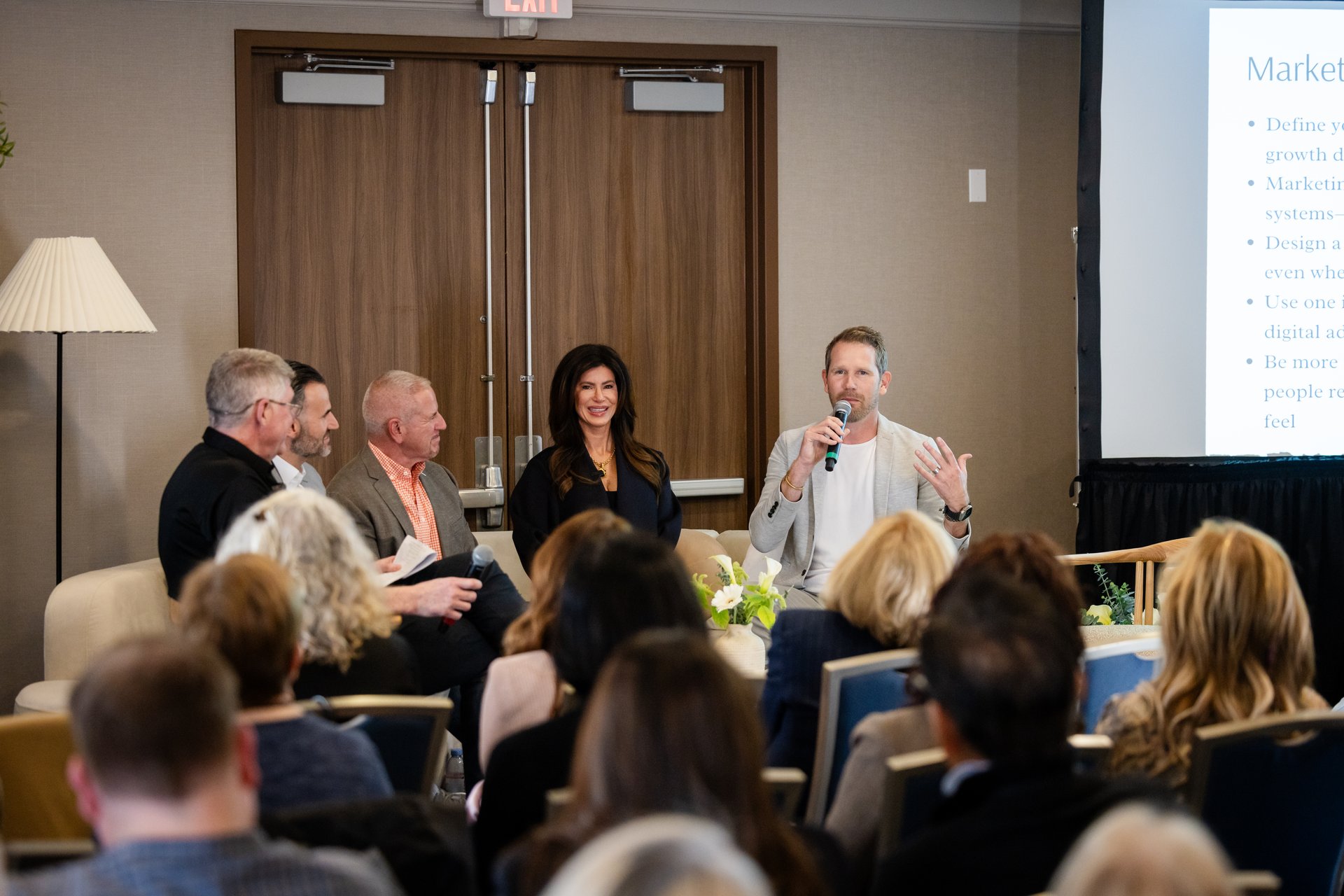
I had the opportunity to join Adam Touni, Michael Johnson, and Gretchen Coley on stage, and the conversation (moderated by the hilarious Butch Haze) ended up being a perfect preview of what the entire event ultimately reinforced: 2026 is going to reward the agents who run their business with intention.
The panel revolved around a few themes that kept showing up in different ways: being intentional with your fee structure, your team structure, your marketing, and your networking. Not doing things out of habit. Not defaulting to what you’ve always done. Actually making decisions with clarity and purpose. And as always, Butch managed to keep things unpredictable. I came in ready to talk about intentional marketing, and his curveball questions somehow led to me telling the story of being my daughter’s elementary school mascot, “Wally the Wave.” I thought I was doing it for her, until she hit me with the most honest line imaginable: “Dad… I know you love the attention so I’m happy for you, but I don’t need the attention.” A good reminder that intention matters, but so does knowing your audience;)
That Roadshow conversation set the tone. It wasn’t about theory. It was about how real businesses are built.
Click here to view the Take Away Content
Kevin Patsel: Aligning the Region and Setting the Expectations
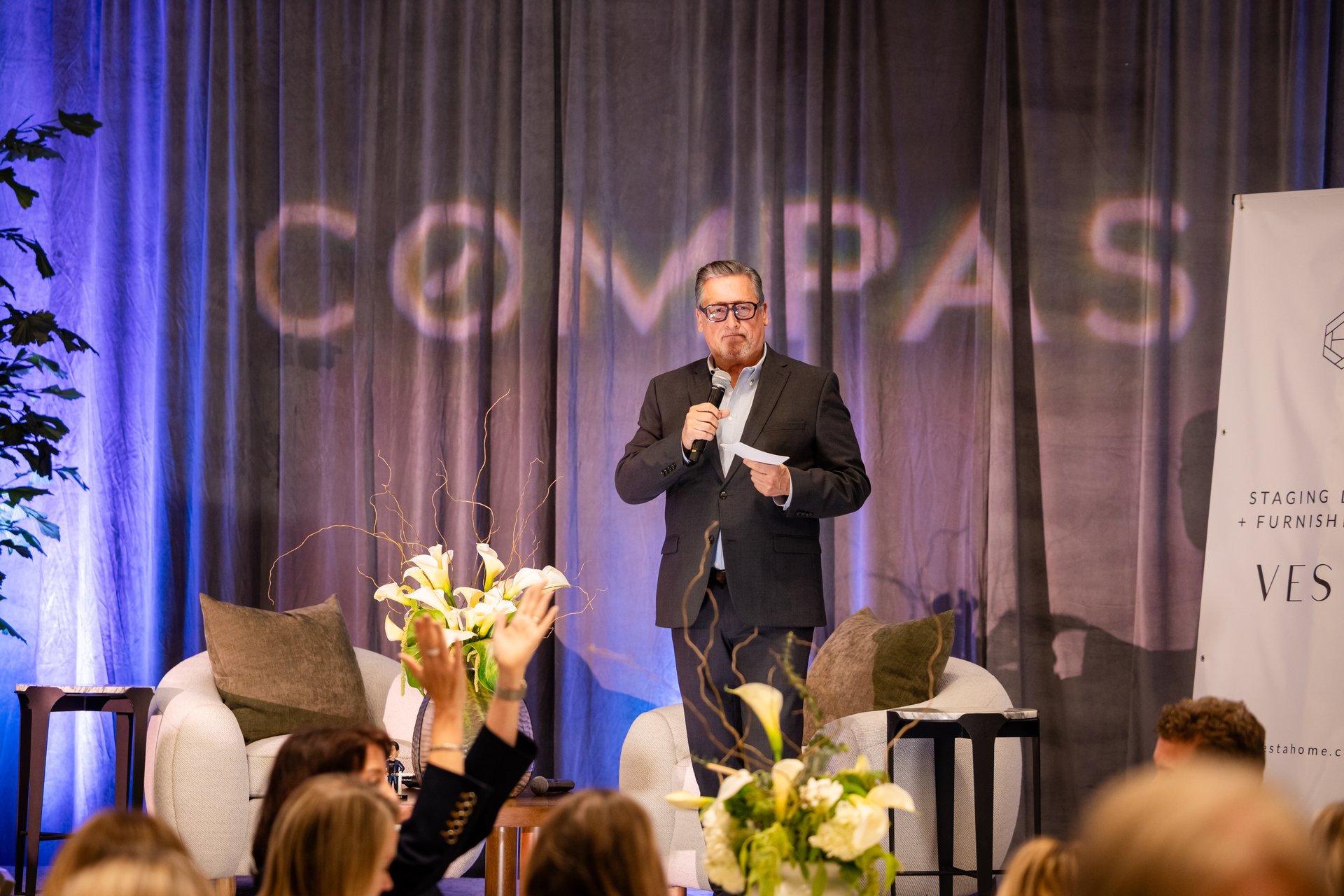
Kevin Patsel, Compass Regional VP for NorCal and Nevada, opened the event by setting the tone for the year ahead. His message wasn’t complicated: 2026 is going to reward agents who operate with professionalism and structure.
He did a great job framing NorCal Compass as more than just a collection of local offices. It’s a large, connected ecosystem, and that scale matters. The network effect is real, and it becomes even more important in markets where buyers are more cautious and sellers are more strategic.
The point was clear. Compass is continuing to grow as a platform, but it only creates an advantage if agents treat it like one.
Culture Isn’t Fluff. It’s Infrastructure.
Compass also put a real emphasis on culture throughout the kickoff. Awards, recognition, leadership shout-outs. But it didn’t feel like filler. It felt like Compass reinforcing something that top producers already know.
High-performing offices and teams don’t happen by accident.
Culture creates standards. Standards create accountability. Accountability creates results.
When the market is more challenging, agents don’t just need leads. They need community, collaboration, and an environment that pushes them to stay sharp. Compass made it clear that culture is not separate from performance. It’s part of the business model.
Mark McLaughlin: The Market Isn’t Broken, It’s Just Divided
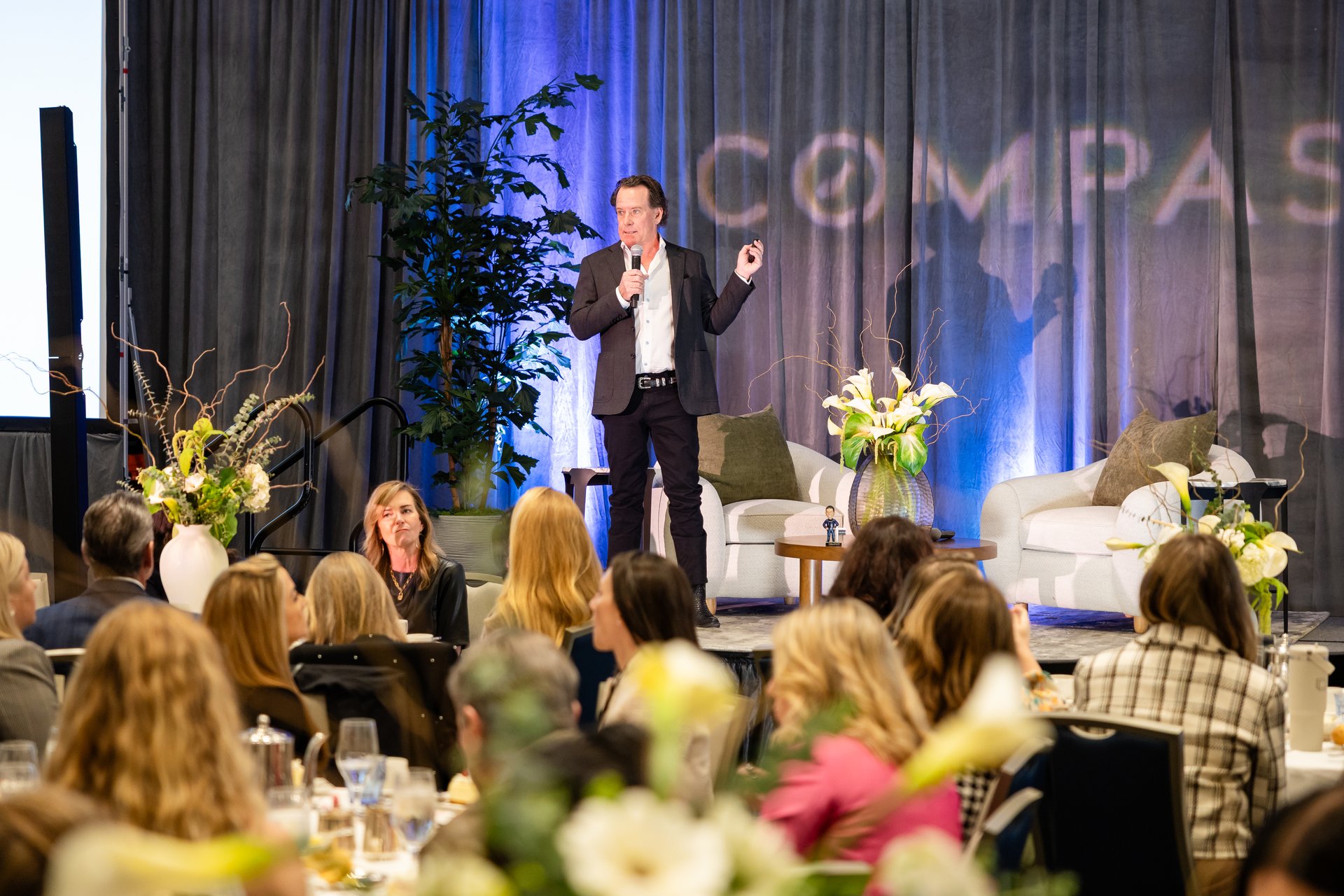
Mark McLaughlin, President of the Western Region, gave one of the most important segments of the day because he framed the market in a way that felt accurate and actionable.
He leaned into the concept of a K-shaped economy, where different segments of consumers are having completely different experiences. Some buyers are still frozen by affordability and rate pressure. Others are still transacting confidently, especially in the luxury space where liquidity remains strong.
The takeaway wasn’t doom and gloom. It was reality.
In other words, we may be entering a period where activity becomes sustainable again, but not explosive.
But the bigger point wasn’t just the market. It was the industry itself.
McLaughlin emphasized that real estate is consolidating and evolving. Scale matters. Technology matters. Integrated services matter. The brokerages that can’t support agents at a high level are going to continue losing ground.
That’s where Compass continues to widen the gap.
Ashley Donat: The Goal Isn’t the Point, the System Is
Ashley Donat, Compass National Co-Head of Coaching, delivered one of the most practical frameworks of the kickoff. Her message was direct: goals don’t create results. Systems do.
She shared a breakdown that stuck with me:
It’s a simple breakdown, but it explains why so many agents feel like they’re working hard without scaling. A goal doesn’t build a pipeline. A system does.
Ashley reinforced that growth comes from operational consistency, including:
If your business only runs when you’re “on,” you don’t have a scalable business. You have a high-stress job.
Wise Mind: Emotional Discipline as a Competitive Advantage
Gretchen Coley and Jessie Hrivnak introduced the Wise Mind framework, which focuses on balancing emotion and logic.
It was a reminder that uncertainty doesn’t just affect clients. It affects agents too. When the market shifts, the people who get reactive tend to lose ground. The people who stay calm, consistent, and strategic usually gain market share.
Their point was subtle but important: emotional regulation isn’t personal development. It’s professional performance.
In luxury especially, clients aren’t just hiring expertise. They’re hiring stability.
Matt Spangler: AI Isn’t a Trend, It’s Becoming the Operating Layer
Matt Spangler, former Founding CMO of Compass, delivered the most forward-looking session of the kickoff, and arguably the one with the biggest long-term implications.
He framed AI the right way: not as a gimmick, not as something to “test out,” but as an operating layer that will run through every part of business.
His message was that agents need to develop AI fluency. Not just copying prompts, but using AI to solve real business problems: marketing, reporting, communication, client follow-up, and strategy.
One of his strongest points was about personalization. AI becomes powerful when it has context. If you feed it your branding, your voice, your process, and your market knowledge, it stops being generic and becomes useful.
He also called out one of the biggest weaknesses in the industry: inconsistent follow-up. Most agents don’t lack talent. They lack structure.
His line was perfect:
A prompt requires effort. A system runs automatically.
That’s where the real advantage is going to be.
The Compass Advantage Only Works If You Use It
The kickoff reinforced the Compass advantage: consumer visibility, CRM integration, reverse prospecting, private exclusives, Concierge services, and platform-based workflows.
But what I appreciated is that Compass didn’t present these tools as magic. The message was clear: these are levers. They create leverage, but only if agents have the systems to use them consistently.
Technology doesn’t replace discipline. It amplifies it.
The Real Takeaway
When you step back, the entire kickoff came down to a few repeat themes:
Systems beat effort.
Consistency beats intensity.
Platform leverage matters.
AI is becoming a workflow multiplier.
Culture drives performance.
Compass didn’t spend the day trying to predict what the market will do. They focused on what agents can control: structure, habits, technology, and execution.
And that’s the right focus.
The agents who will win in 2026 are the ones who stop waiting for conditions to improve and start building businesses that don’t depend on conditions in the first place.
That was the real message of the day, and it’s exactly what we’re focused on implementing with our team at Advisory moving into the year ahead.